- Home
- The Embassy
- Consular Services
- Citizens Corner
- Bilateral Relations
- Business / Investment
- Media Room
- Tagore Nizami Library
- Useful Links
- Advisories
- Contact
Tagore Nizami Library
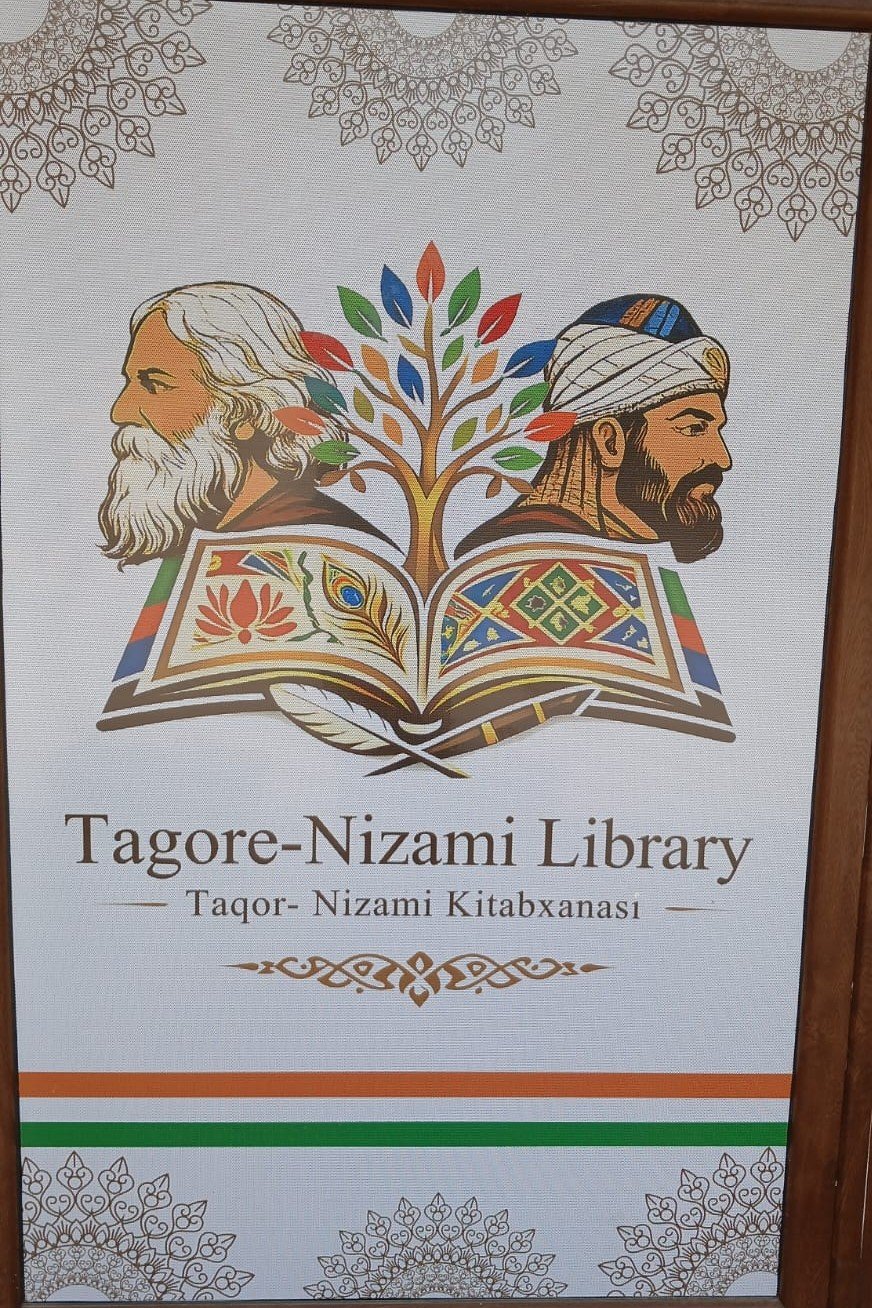
The Tagore-Nizami Library, at the Embassy of India in Azerbaijan, is a significant cultural initiative aimed at strengthen ing bilateral ties through literature and shared heritage. A novel initiative by the Embassy, the library is thoughtfully named after two iconic literary figures — Rabindranath Tagore from India and Nizami Ganjavi from Azerbaijan — to celebrate the rich literary traditions of both nations and foster deeper people-to-people connections.
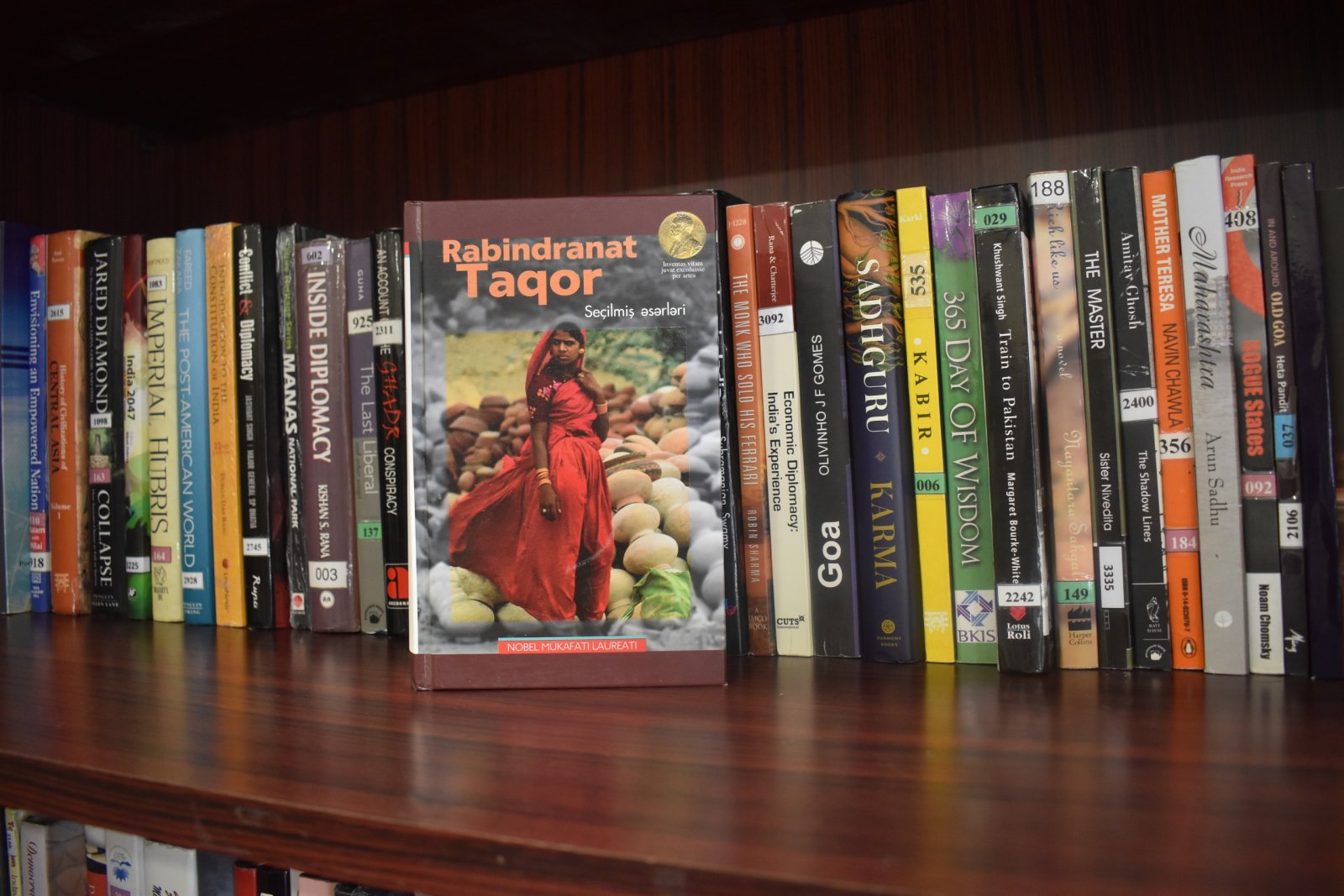
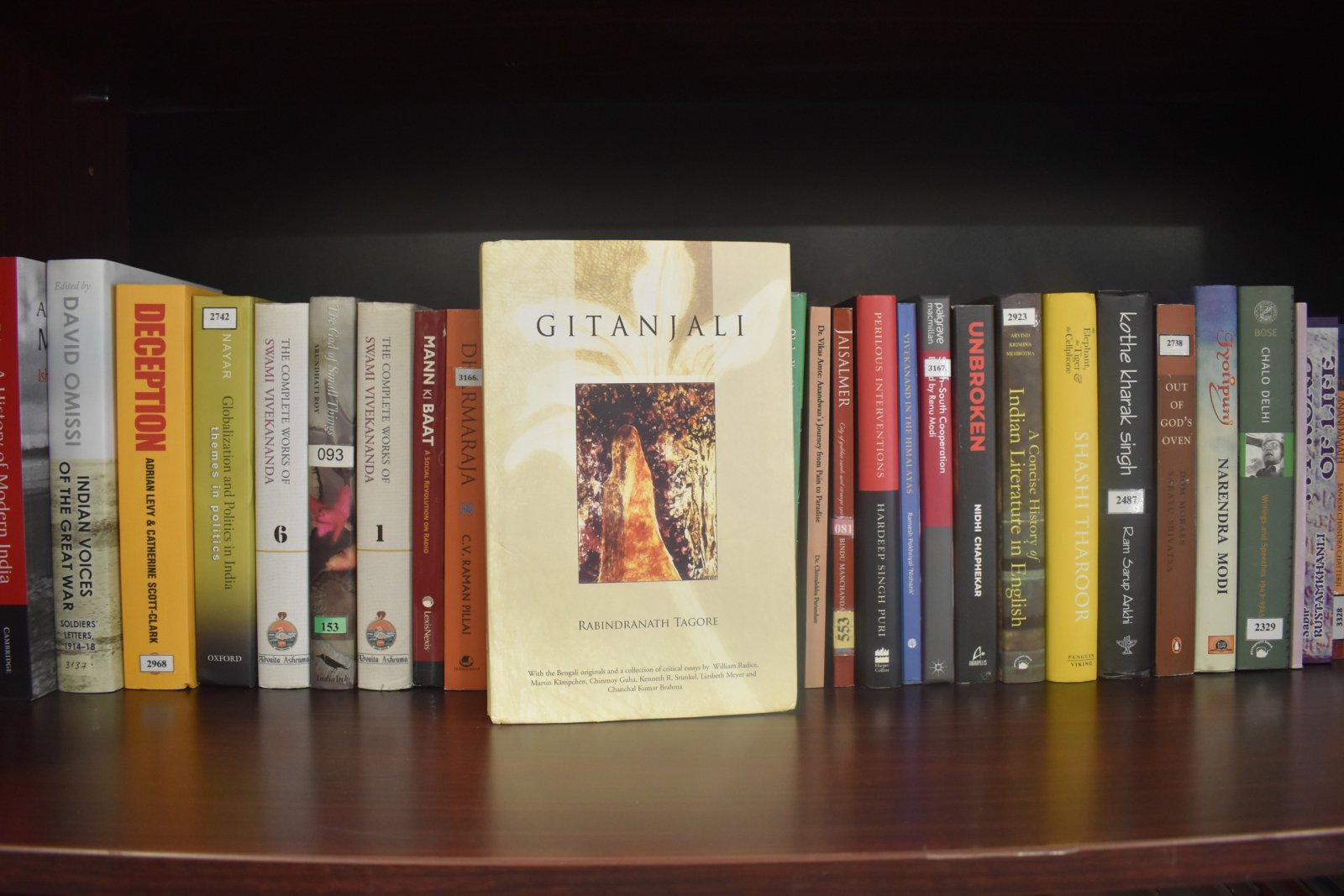
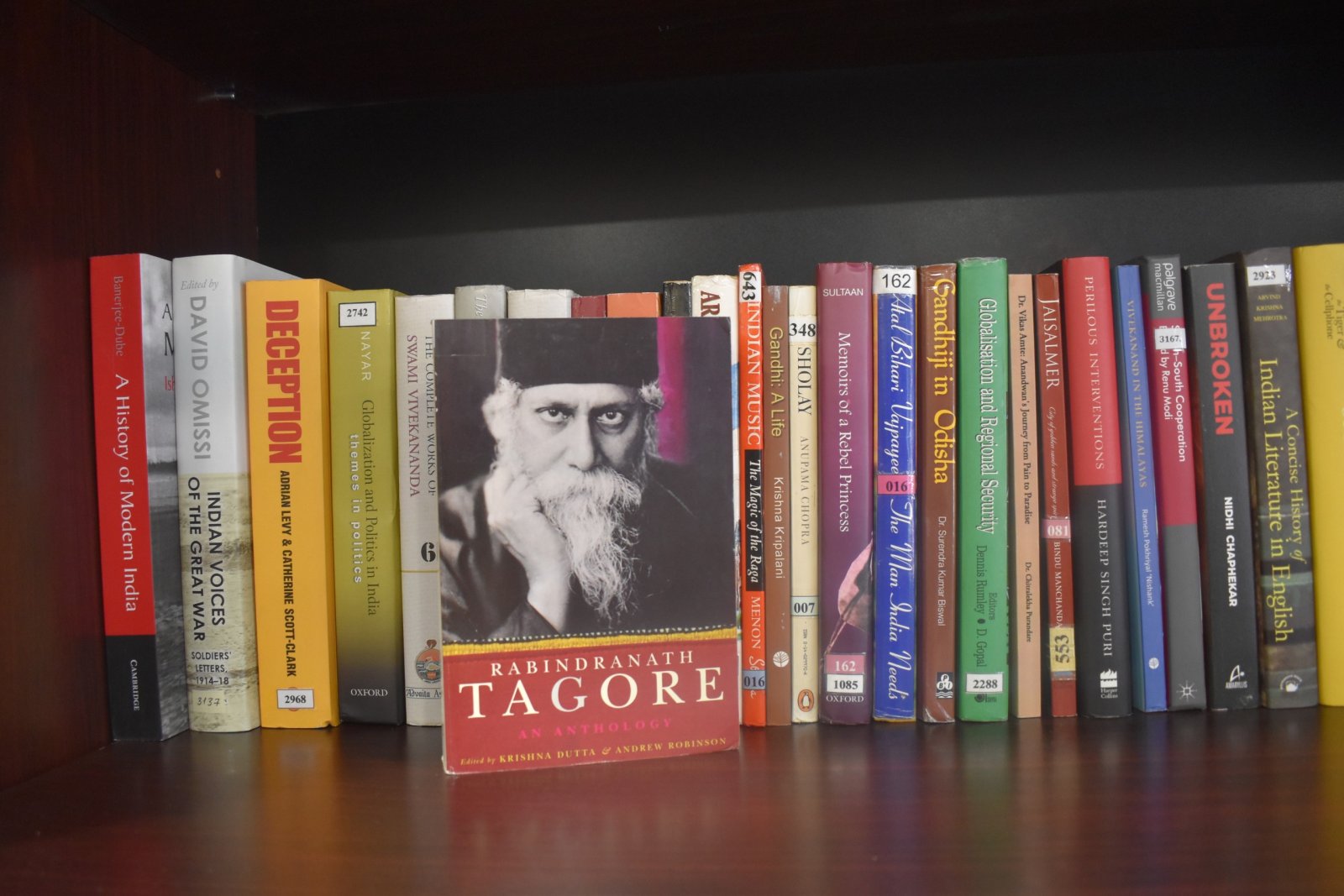
Rabindranath Tagore (1861–1941) was a polymath, poet, novelist, musician, playwright, and philosopher. Widely regarded as one of the greatest literary figures of modern India, he became the first non-European to win the Nobel Prize in Literature in 1913 for his poetry collection Gitanjali. Tagore composed the national anthems of both India and Bangladesh. His works emphasized humanism, spiritual unity, nature, and social reform. Tagore is considered a towering scion of modern Indian literature for revolutionizing Indian prose and poetry, introducing Indian thought to the global stage, and championing universal values through his vast creative output.
Nizami Ganjavi (1141–1209), born in Ganja in present-day Azerbaijan, is one of the greatest poets of the Persian literary tradition and a cornerstone of Azerbaijani cultural identity. His masterpiece, the Khamsa (Five Treasures), consists of five epic romantic poems, most famously Layla and Majnun and Khosrow and Shirin. Nizami’s poetry is celebrated for its profound psychological depth, rich imagery, philosophical insights, and masterful storytelling. His influence spread across the Persianate world, Central Asia, and beyond, inspiring poets for centuries, including in India. A folio of Nizami Ganjavi has been kept at the Humayun’s Tomb, that signifies his influence in India. He is revered as a supreme scion of classical literature for elevating narrative poetry to new artistic and humanistic heights.
By combining their names, the library honours the universal appeal of great literature and the timeless values of creativity, tolerance, and cultural exchange that both masters represent.
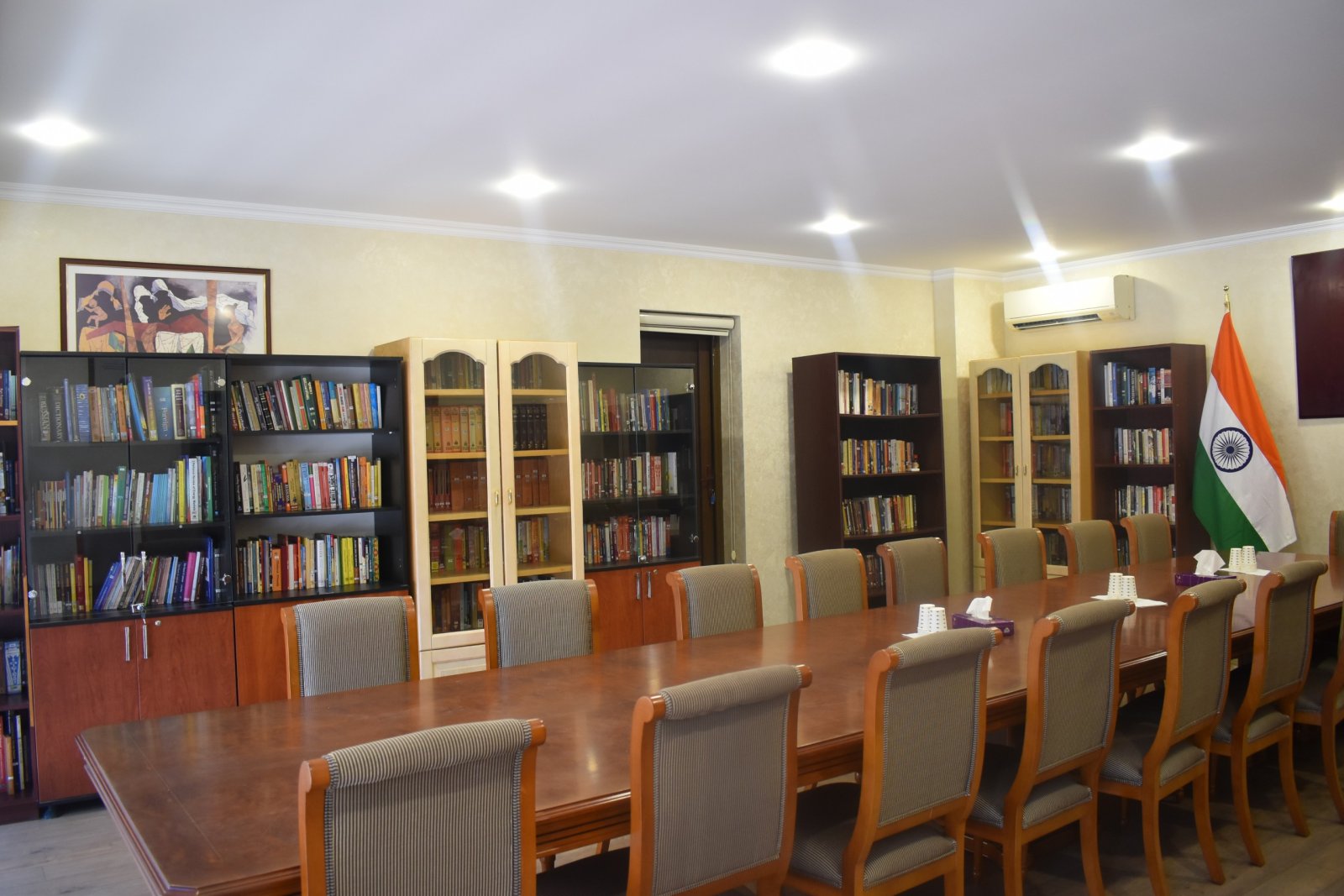
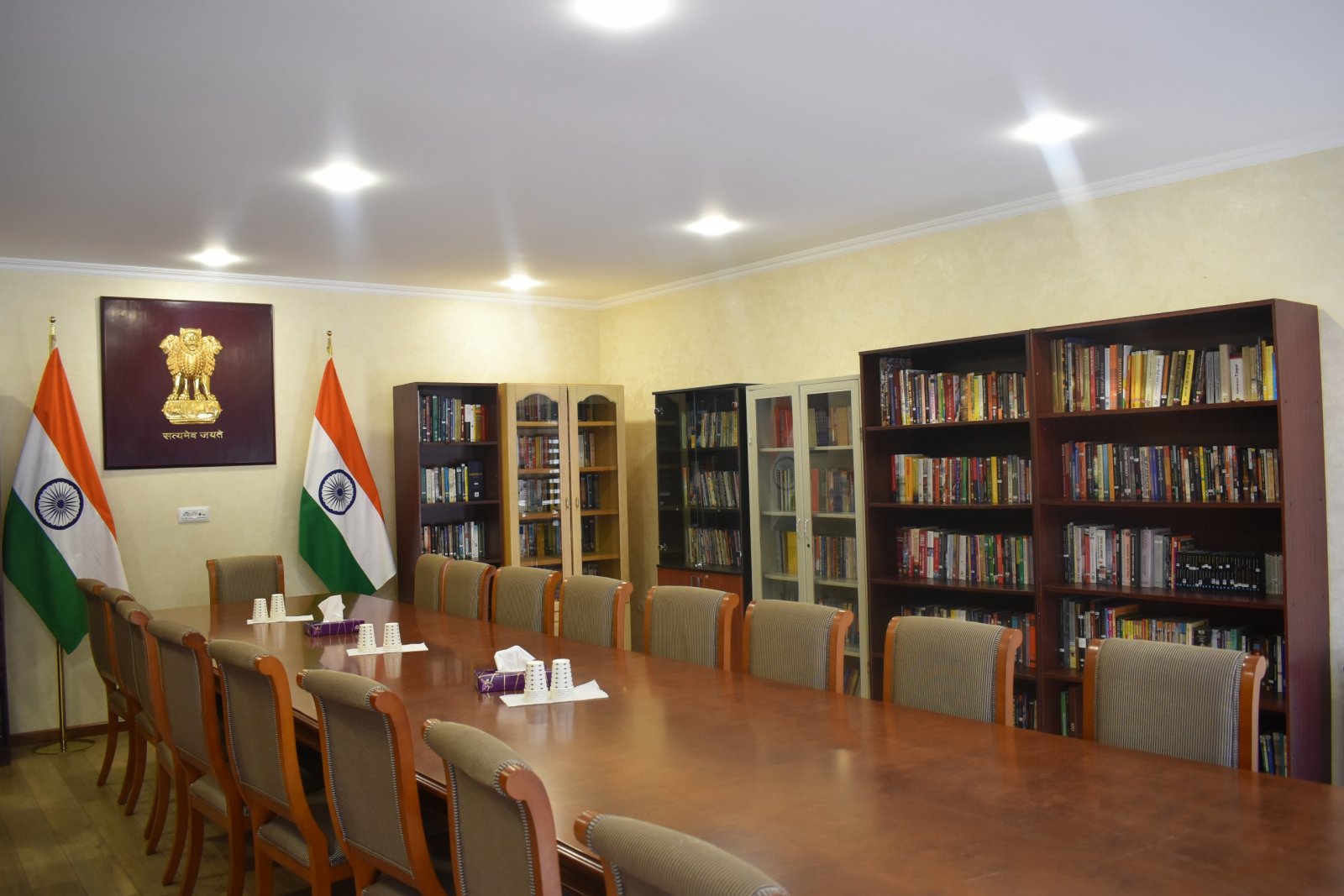
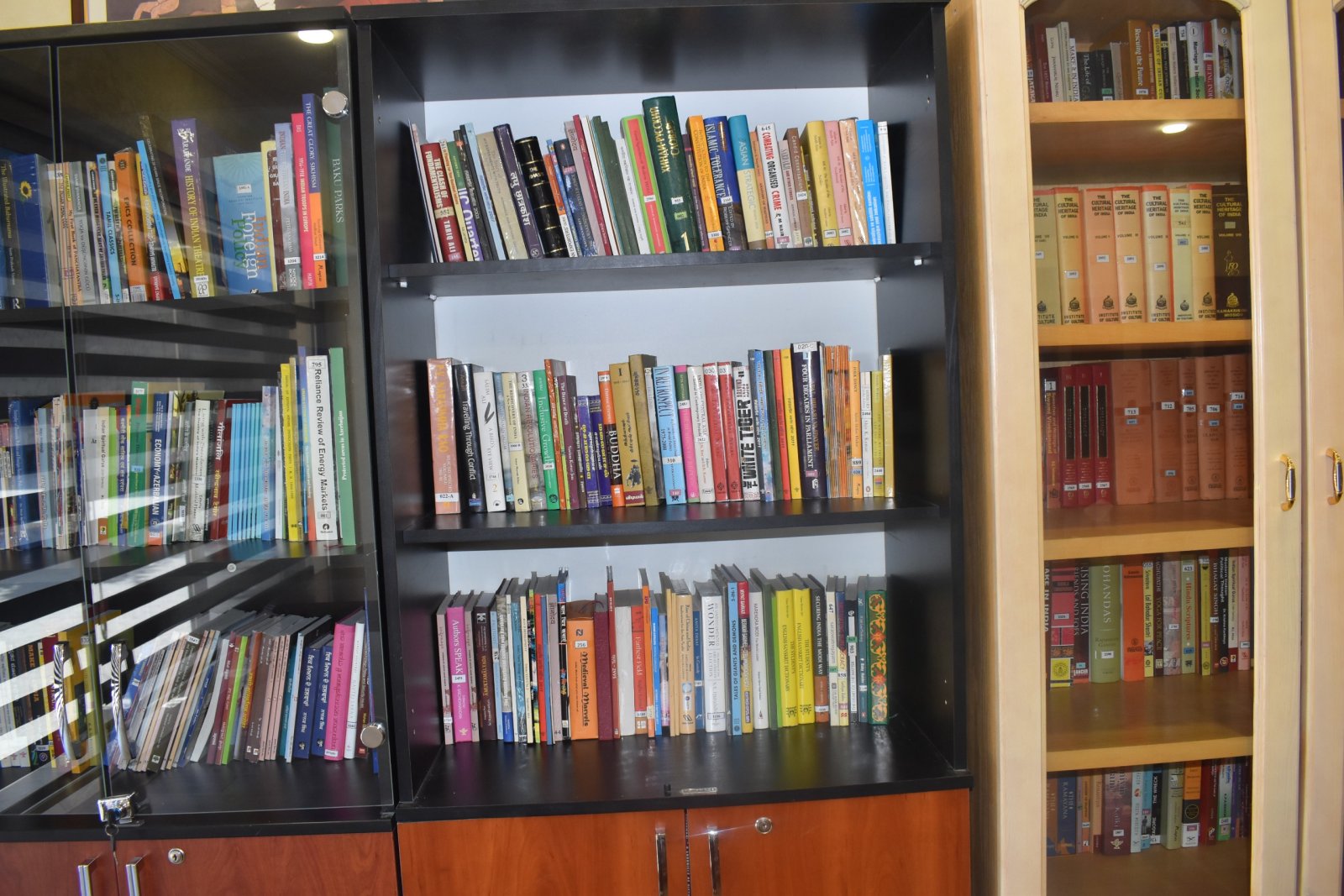
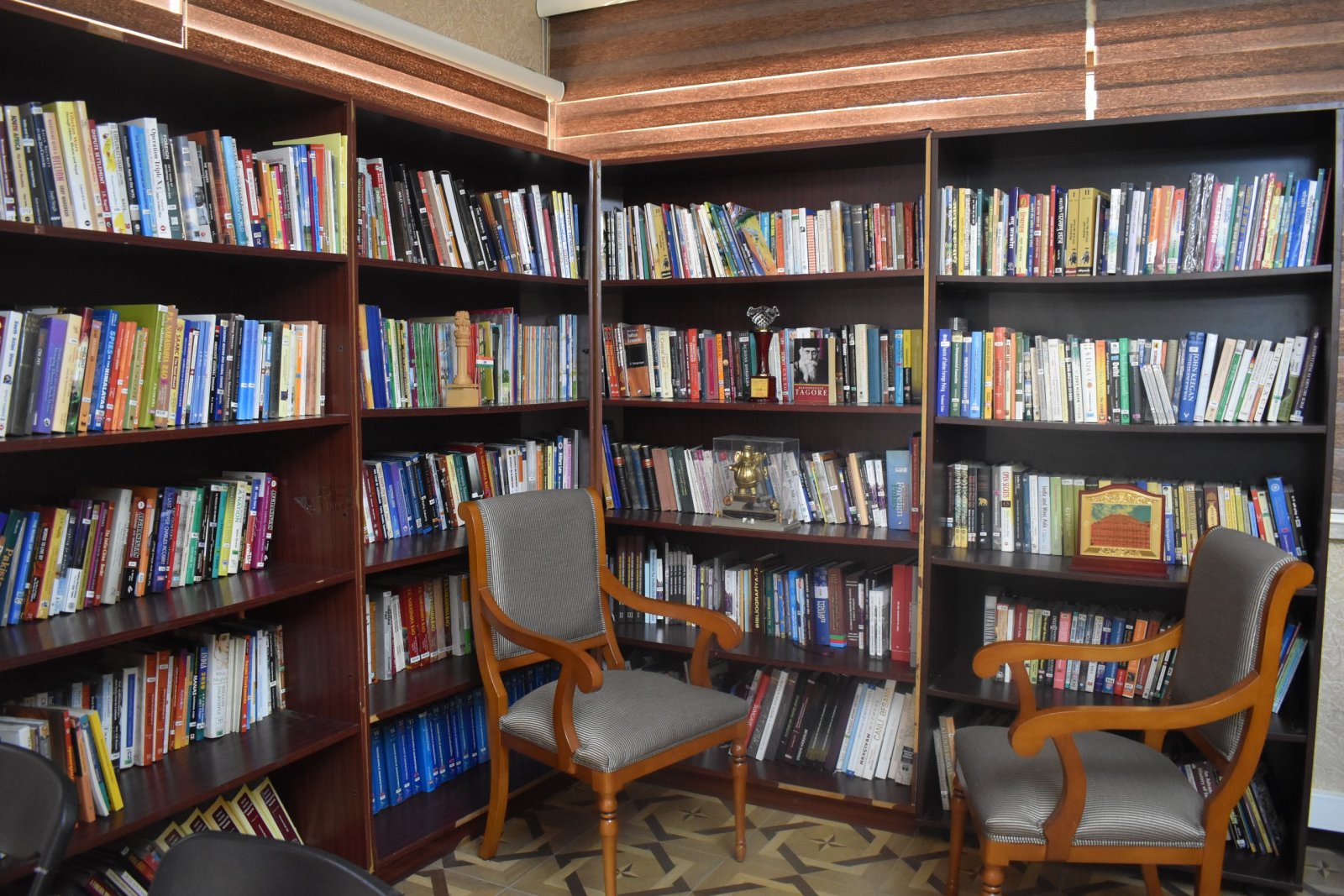
The Tagore-Nizami Library stocks a carefully selected collection of books tailored to introduce Indian heritage while appealing to Azerbaijani readers:
• Indian classics translated into Azerbaijani culture
• Popular novels and bestsellers from India and around the world
• Books on Indian and world history, security studies, and foreign policy, including works by international authors
• Volumes exploring Indian culture, classical and folk art, dance forms, mythology, cuisine, yoga, and wellness traditions
• Indian language books, with a special focus on Hindi literature — offering engaging stories that are both enjoyable and valuable for students learning Hindi
• A dedicated section of pictorial books and children’s stories to attract young readers and families
• Autobiographies and writings of prominent Indian leaders and freedom fighters
A Bridge of Knowledge and Friendship: Beyond being a repository of books, the Tagore-Nizami Library is designed to serve as a dynamic knowledge bridge between India and Azerbaijan. It acts as a welcoming window for Azerbaijani citizens and Indian diaspora, offering them a vivid glimpse into India’s rich literary traditions, cultural diversity, and contemporary achievements. The library is free and open to all, encouraging students, researchers, diplomats, and the general public to explore, learn, and engage. This initiative aims to promote cultural exchange, support Hindi language learning, and create meaningful opportunities for dialogue and mutual understanding between the two nations. By bringing together the humanistic vision of Tagore and the poetic genius of Nizami, it promises to become a cherished space where literature inspires friendship, knowledge, and shared appreciation of two great civilizations.