- Home
- The Embassy
- Consular Services
- Citizens Corner
- Bilateral Relations
- Business / Investment
- Media Room
- Tagore Nizami Library
- Useful Links
- Advisories
- Contact
Press Releases
Embassy of India Opens Permanent Exhibition on UNESCO World Heritage Sites of India
July 18, 2026
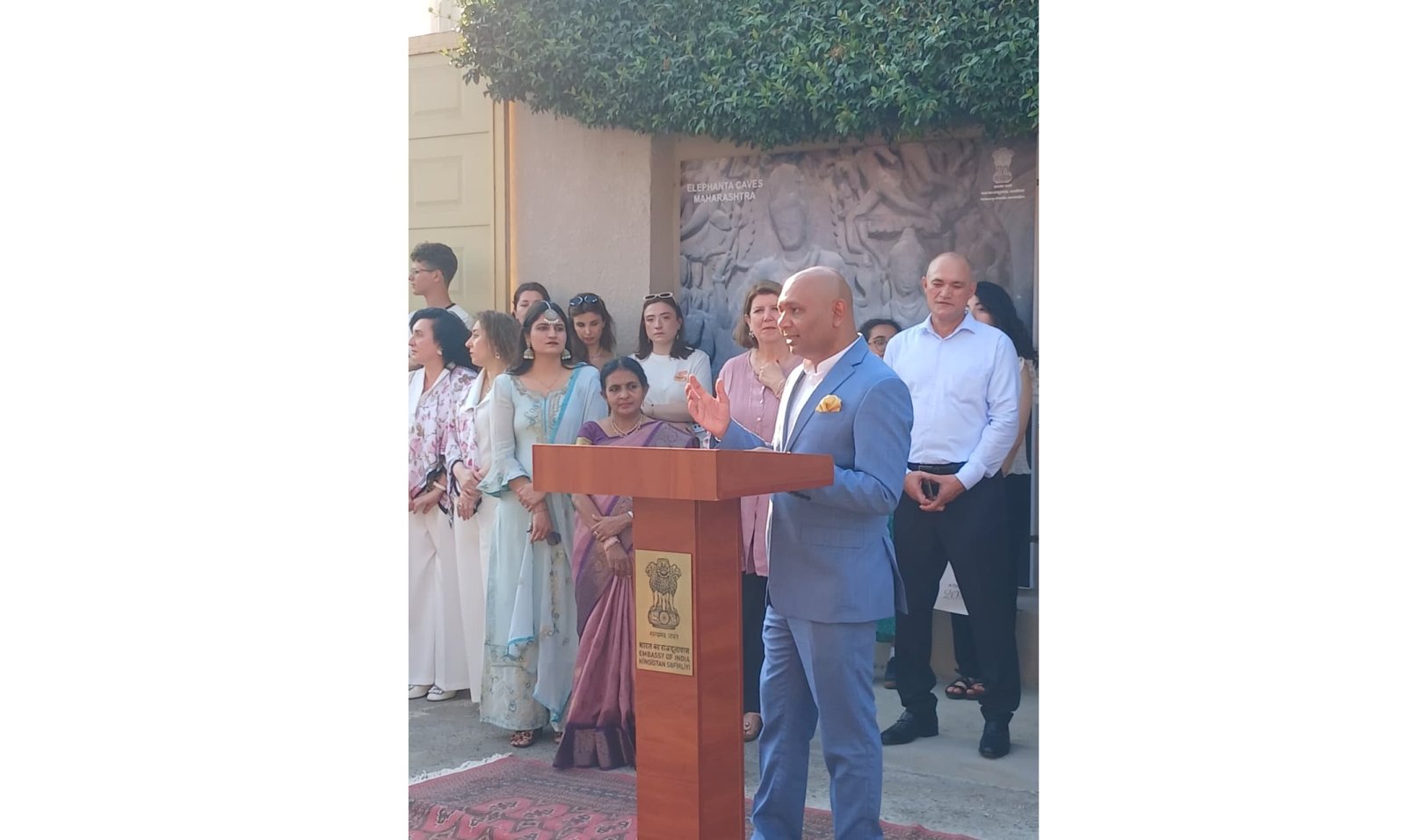
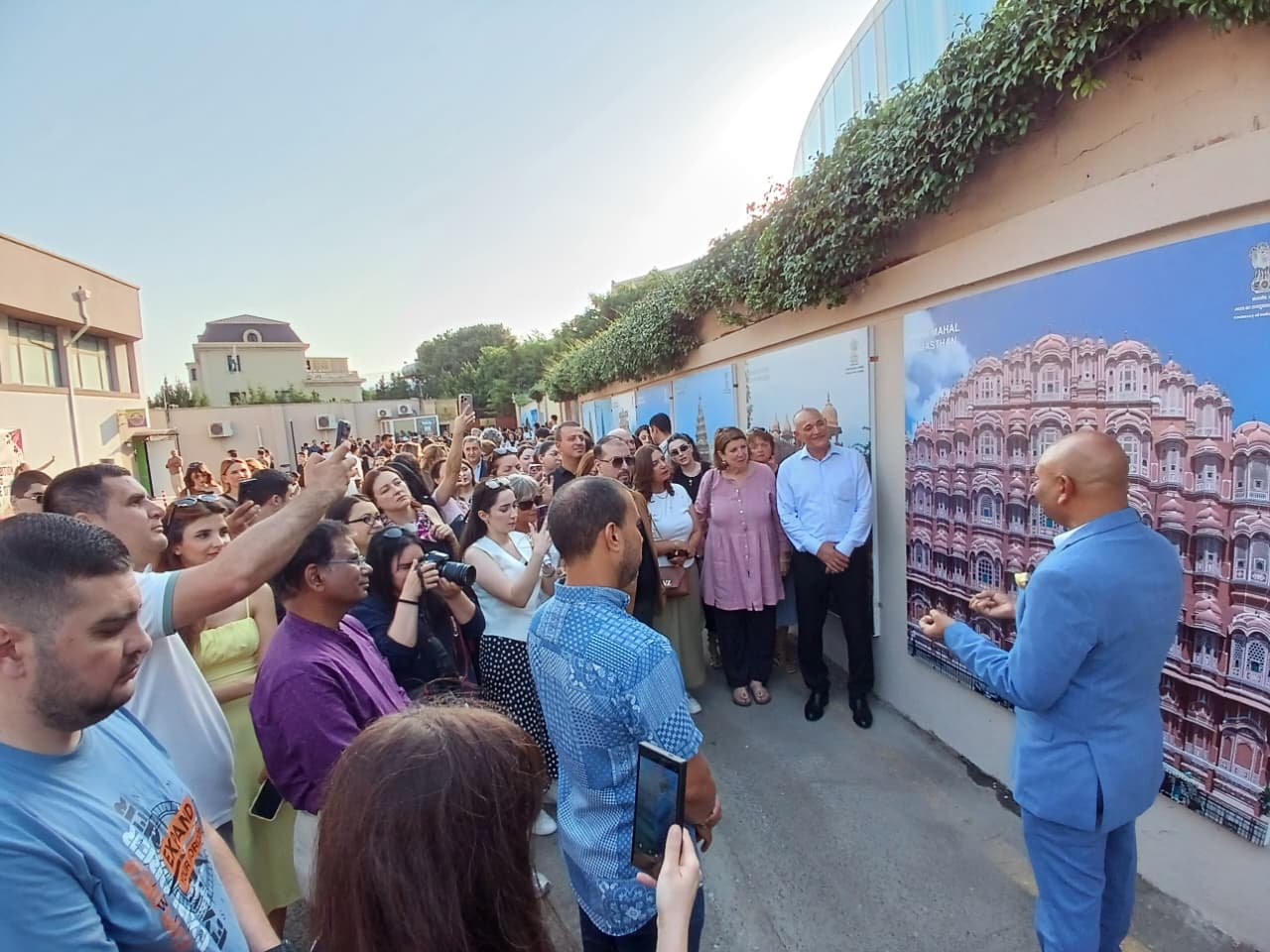
The Embassy of India organized a special event to mark the opening of a Permanent Exhibition on UNESCO World Heritage Sites of India on 18 July at the Embassy premises. The event brought together a distinguished gathering of Ambassadors and Diplomats of various countries, members of Parliament of Azerbaijan, business community, tour and travel operators in Azerbaijan, representatives from leading media organizations, social media influencers, and members of the Indian diaspora in Azerbaijan.
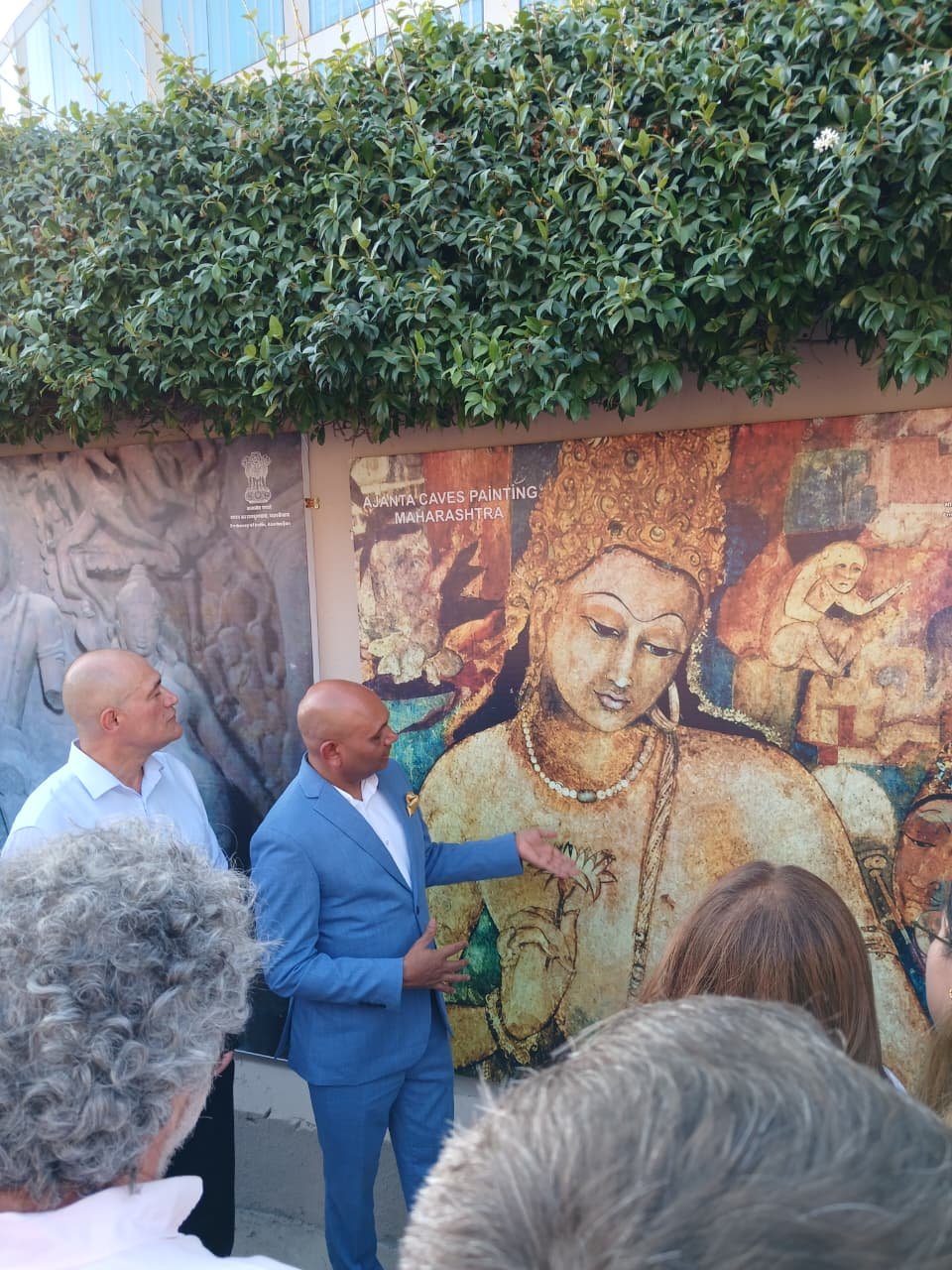
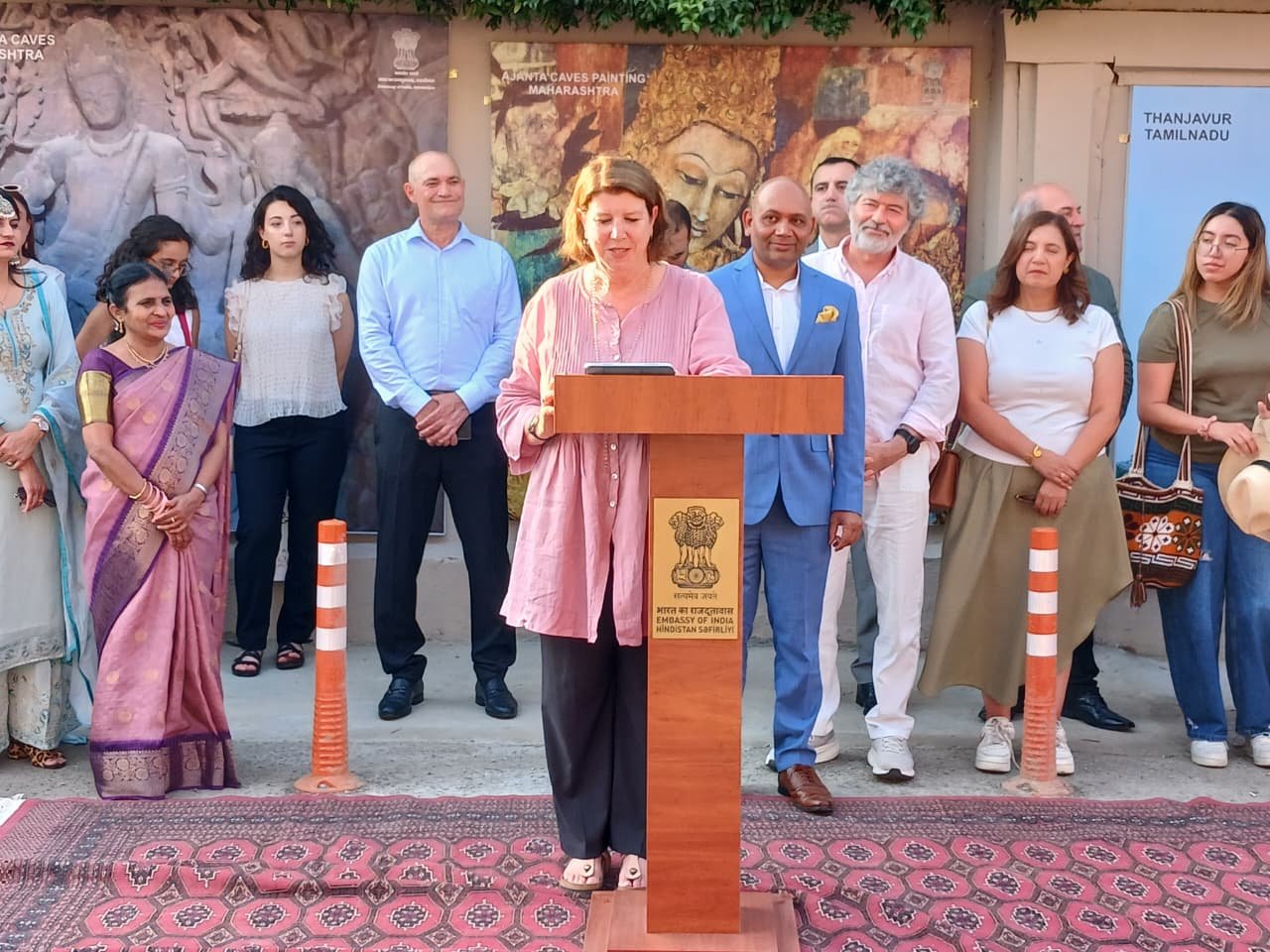
The exhibition was jointly inaugurated by the Ambassador of India to Azerbaijan, Mr. Abhay Kumar and Ms. Anna Soave, Head of Country Programme of UN-Habitat Azerbaijan , who unveiled a vibrant display of 17 panels showcasing a selection of India's most iconic cultural and natural treasures. The exhibition highlights sites that have been internationally recognized for their outstanding historical, cultural, architectural, and natural significance and are inscribed on the UNESCO World Heritage List.
In his inaugural remarks, Ambassador Abhay Kumar noted that India is one of the world's oldest continuous civilizations, with a cultural legacy spanning thousands of years. He highlighted that India is home to 44 UNESCO World Heritage Sites—comprising 36 Cultural Sites, 7 Natural Sites, and 1 Mixed Site—which represent not only India's rich heritage but also humanity's shared heritage. Referring to landmarks ranging from the ancient university of Nalanda and the iconic Taj Mahal to the Buddhist monuments at Sanchi and the magnificent temple complexes of Hampi and Khajuraho, he observed that these sites reflect the remarkable diversity, creativity, and civilizational journey of India. He expressed the hope that the permanent exhibition would inspire curiosity, promote learning, and provide visitors with a deeper appreciation of India's rich cultural and natural heritage while strengthening cultural ties between India and Azerbaijan.
Ms. Anna Soave, Head of Country Programme of UN-Habitat Azerbaijan, also addressed the gathering and commended the Embassy of India for its innovative initiative in establishing a Permanent Exhibition on UNESCO World Heritage Sites of India. She noted that the exhibition serves as an important platform for promoting cultural awareness, fostering dialogue, and celebrating the shared heritage of humanity. Ms. Soave also expressed her admiration for India's extraordinary cultural and natural heritage, observing that India's UNESCO World Heritage Sites reflect the country's remarkable civilizational legacy, rich diversity, and longstanding commitment to preserving its invaluable heritage for future generations.
The unveiling ceremony was followed by a colourful Heritage-cum-Fashion Walk, in which Azerbaijani participants gracefully showcased traditional Indian attire representing different states and regions of India. The participants' enthusiastic embrace of Indian traditions reflected the growing warmth, admiration, and cultural affinity between the people of India and Azerbaijan.
The event also featured an Indian Street Food Festival, presenting a delectable spread of popular Indian street food delicacies and beverages that have earned worldwide recognition for their rich flavours and diversity. Guests enjoyed a wide variety of authentic Indian culinary offerings, providing a vibrant taste of India's gastronomic heritage.
Adding to the festive atmosphere were captivating Indian cultural performances presented by talented Azerbaijani artists. Their energetic performances, inspired by India's rich artistic traditions, received loud applause and enthusiastic appreciation from the audience.
The Permanent Exhibition on UNESCO World Heritage Sites of India will remain open to the general public at the Embassy of India, offering visitors an opportunity to explore and appreciate some of India's most celebrated cultural and natural landmarks and to gain a deeper understanding of the country's rich civilizational heritage.